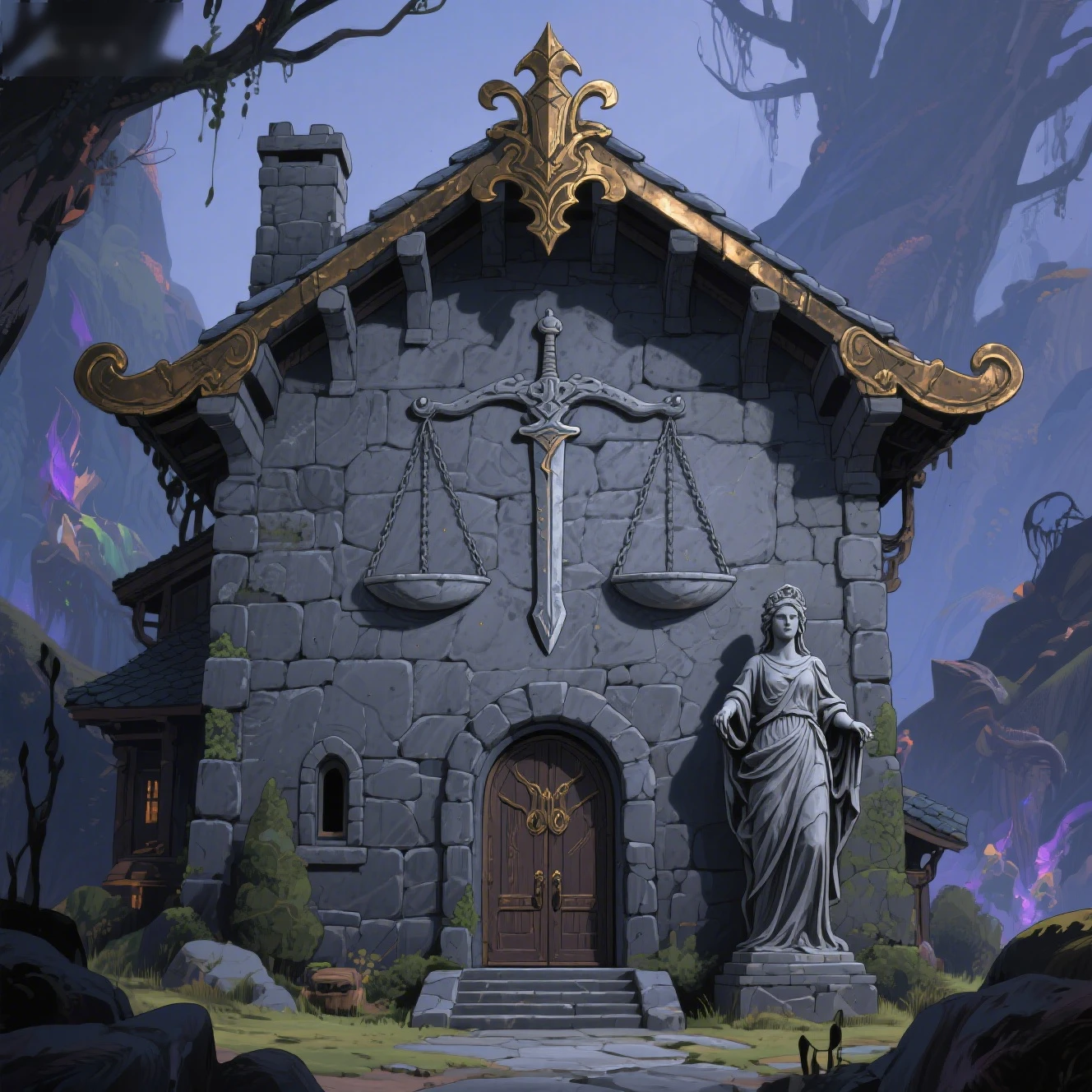
#01 · Zeus
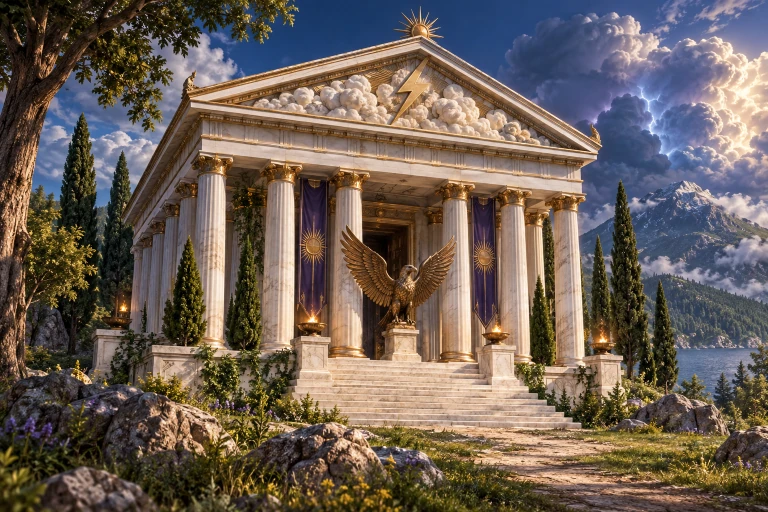
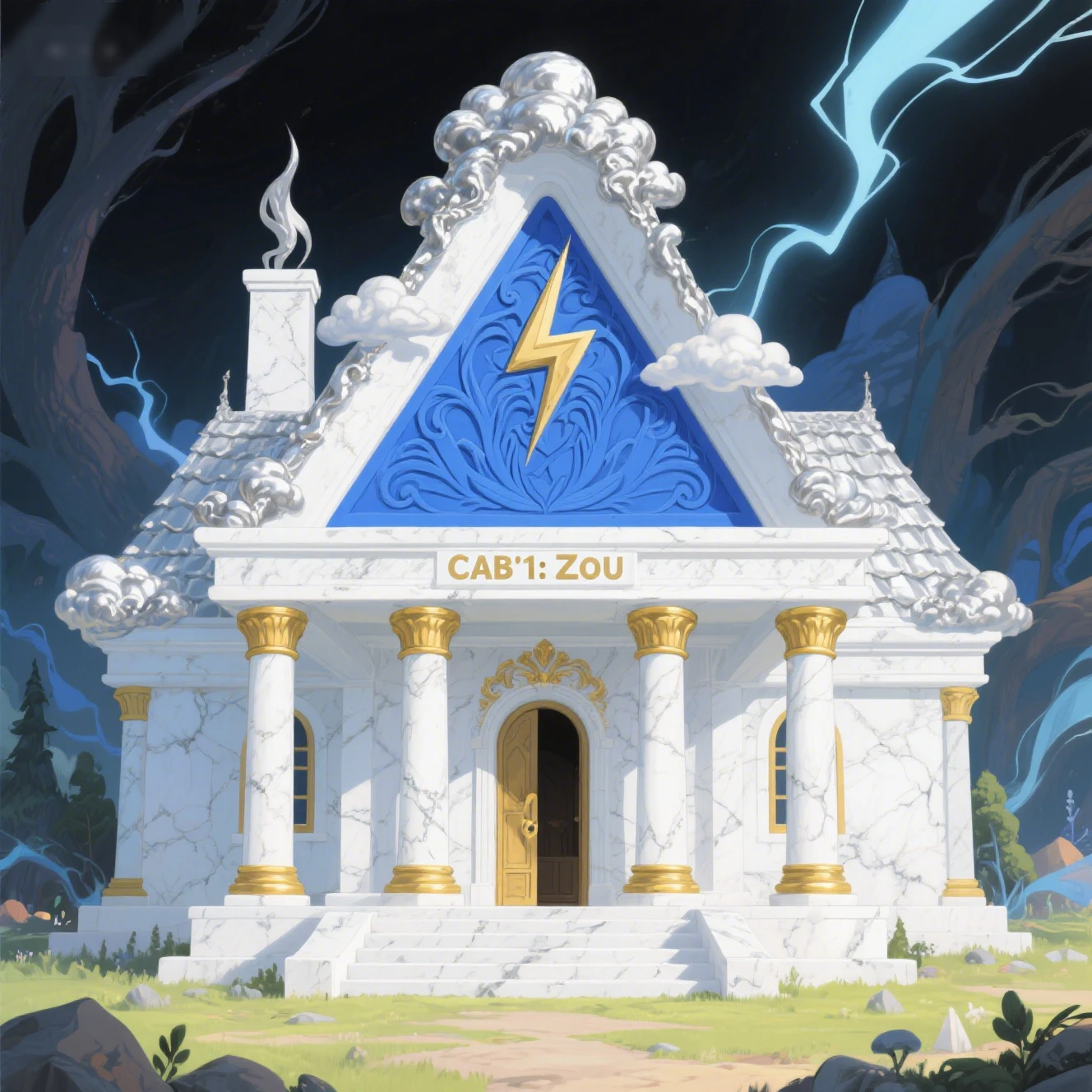
1 / 2
SkyThunder
Zeus
Supreme ruler of Mount Olympus and master of the heavens

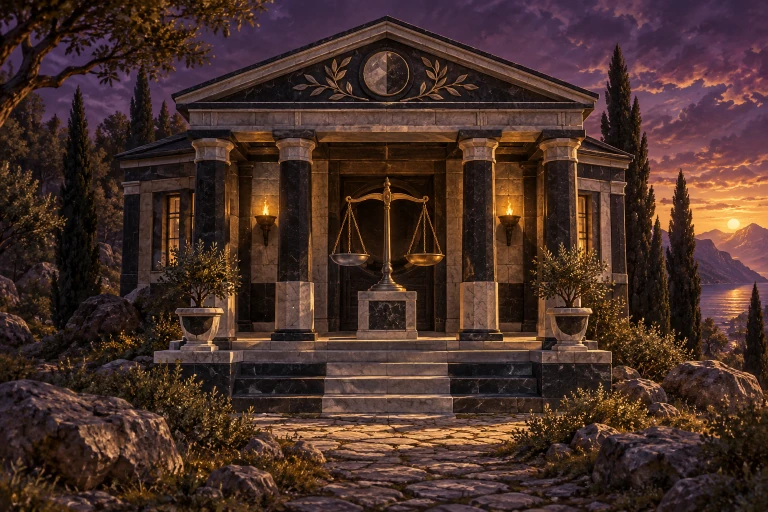
Scales · Sword · Wheel of Fortune · Wings
The Nemesis cabin is Cabin Sixteen. Read its connection with balance and retribution, then examine a reflection about giving shared work fair credit without turning a correction into punishment.
Nemesis
Revenge
The Nemesis cabin combines a concern for balance with a tendency to remember insults. The author’s account of Ethan adds another side: an attempt to make amends. Read both instead of treating vengeance as the entire identity. A divine association is not an instruction that every perceived slight must be answered.
In the Nemesis cabin, proportion is a useful question for reflection. Restoring something missing differs from making someone suffer indefinitely. These are interpretations of a theme, not evidence that every child can magically adjust fortune or always knows what a fair outcome should be.
Imagine an original exercise in which one person receives all the praise for a shared success. You could correct the account publicly, speak privately or help the group agree how to acknowledge contributions next time. Write the information you would need before choosing. The situation is invented, not Ethan’s story retold.
A Nemesis cabin affinity can help distinguish recognizing overlooked work from humiliating the person who received credit. Describe what a satisfactory correction would look like and when the dispute should end. If the response has no stopping point, ask whether it is still about the missing recognition or has become a different conflict.
Compare the Nemesis cabin with Nike’s competitive drive and Zeus’s responsibility for a group. Winning recognition, coordinating people and correcting an imbalance are different aims. The related guides help you name the aim your response serves, without awarding a moral grade to the patron you prefer.
If the Nemesis cabin is your quiz match, review answers about fairness and consequences. A game display does not certify that your judgment is just. Read the author’s account of Ethan’s attempt to make amends, then write a proportionate endpoint for the exercise. A concrete endpoint makes the discussion more useful than a promise of revenge powers.
Ethan Nakamura is the author’s best-known modern example. The guide connects his final effort to Percy’s insistence on recognizing minor gods, so a difficult reputation need not be the only part of a character’s story.
These tags combine abilities shown by individual characters with fan-designed themes. They are not canonical powers shared by every camper, and a quiz result does not grant abilities.
Justice debates
Balance training
Ethical discussions
Revenge planning
Supreme ruler of Mount Olympus and master of the heavens

Divine protector of marriage and matriarch of the gods

Lord of the seas and earth-shaker

Bringer of seasons and nurturer of all growing things
Explore the Nemesis cabin to compare fairness and proportion, then try the fan quiz. The affinity is not permission to punish another person.